
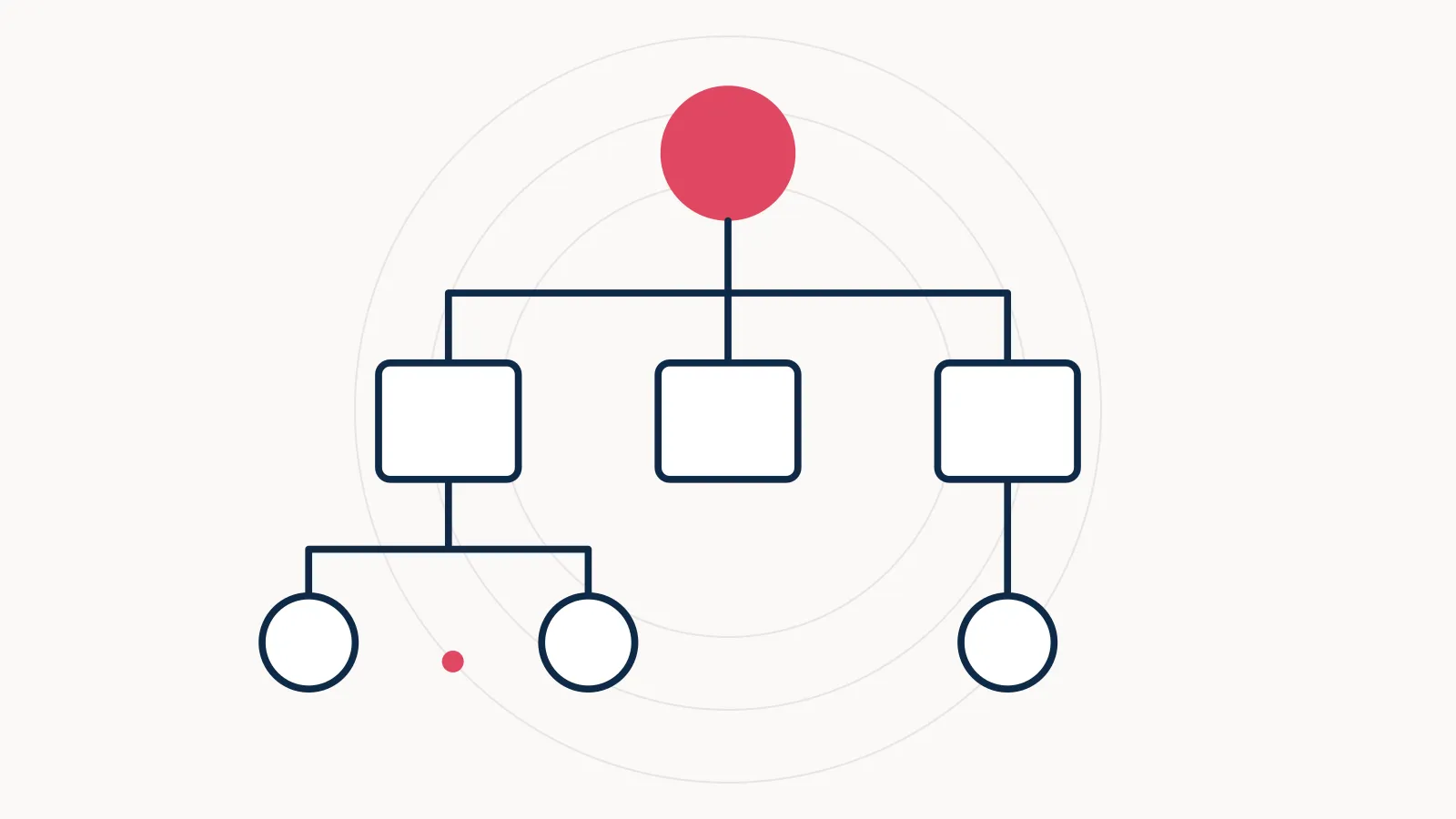
The UAE has introduced new rules requiring companies to identify and record their ultimate beneficial owners (UBOs): the real people who ultimately own or control them. The rules, set out in Cabinet Resolution No. 58 of 2020, form part of the UAE’s wider effort to strengthen its anti-money-laundering framework.
Who is a beneficial owner?
A beneficial owner is a natural person who ultimately:
- owns or controls 25% or more of the company’s shares or voting rights, directly or indirectly; or
- otherwise exercises control over the company, for example through the right to appoint or remove the majority of directors.
If no one meets these tests, the person with ultimate control over management is treated as the beneficial owner.
What companies must keep
Companies licensed in the UAE, with some exceptions such as those in the financial free zones, which have their own regimes, must maintain:
- a register of beneficial owners, with each owner’s name, nationality, date of birth, identity document details, address, the basis of their ownership or control, and the date they became a beneficial owner;
- a register of partners or shareholders, showing their shareholdings and voting rights; and
- details of any nominee arrangements.
The information must be filed with the company’s registrar, the licensing authority, and kept up to date.
Changes must be reported
When beneficial ownership changes, for example through a share transfer, the registers need updating and the registrar must be notified within the required time, generally 15 days. Missing updates is one of the easiest ways to fall foul of the rules.
What to do now
- Map your ownership structure all the way up to individuals, including through holding companies and trusts.
- Prepare the registers and collect supporting documents from each beneficial owner.
- File with your licensing authority in the format it requires.
- Build the update into your processes for share transfers and changes of control.
Banks and other regulated businesses are also increasingly asking for UBO information as part of their own checks, so having it in order helps beyond compliance. We can help you map your structure and complete the filings.
This article is general information based on the rules as we understand them at the date of publication. It is not advice on your circumstances. Laws and practice change, so please speak to us before acting on it.