The UAE is replacing the familiar PDF or paper invoice with a national e-invoicing system. Under the new framework, invoices between businesses will be issued in a structured electronic format, exchanged through approved providers and reported to the Federal Tax Authority as they are issued.
For most businesses this is not a simple software update. It touches invoicing processes, customer data, accounting systems and the way VAT is reported. The deadlines are close enough that preparation should already be under way.
What is changing
The legal framework was set out by the Ministry of Finance in Ministerial Decision No. 243 of 2025, which covers the scope and obligations of the system, and Ministerial Decision No. 244 of 2025, which sets the rollout timeline.
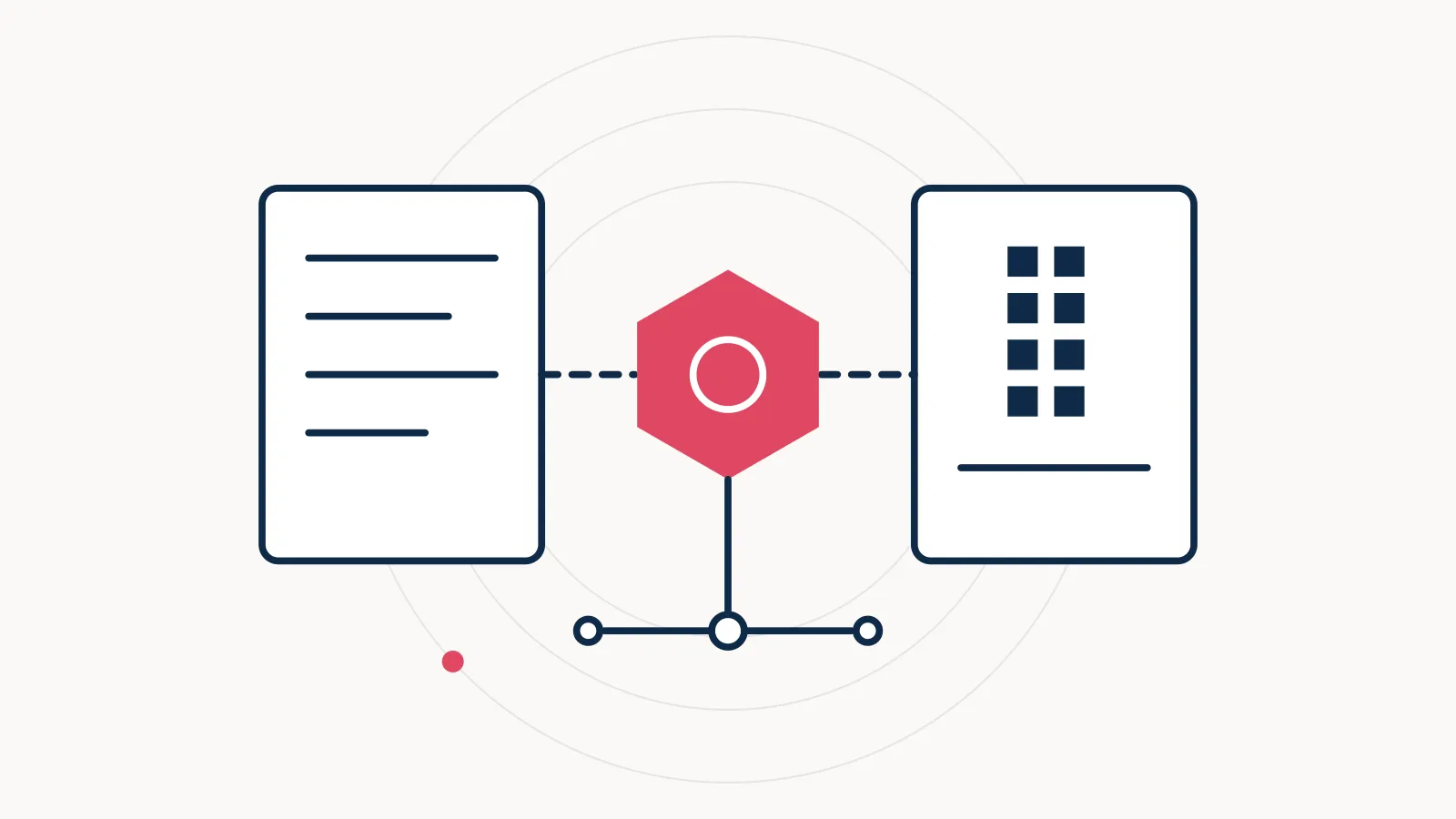
An e-invoice under the new system is not a PDF attached to an email. It is a structured data file in a prescribed format that can be read and validated automatically. Invoices are sent through an Accredited Service Provider (ASP), which exchanges them with your customer’s provider and passes the required data to the FTA.
The first phase covers transactions between businesses (B2B) and with government entities (B2G).
The timeline
| Who | Appoint an ASP by | E-invoicing live from |
|---|---|---|
| Voluntary adopters | — | 1 July 2026 |
| Businesses with annual revenue of AED 50 million or more | 31 July 2026 | 1 January 2027 |
| Businesses with annual revenue below AED 50 million | 31 March 2027 | 1 July 2027 |
| Government entities | 31 March 2027 | 1 October 2027 |
A pilot with selected taxpayers began on 1 July 2026. If your business is in the first group and has not yet appointed a provider, this should be treated as urgent.
How to prepare
1. Confirm which phase you fall into. Check your annual revenue against the AED 50 million threshold, and note your appointment and go-live dates.
2. Choose an Accredited Service Provider. Only providers accredited under the Ministry’s process can be used. Consider how well each one integrates with your accounting or ERP system, their support arrangements and their pricing model.
3. Check your accounting system. Your system needs to produce invoice data in the required structure. Whether you use ERPNext, Tally, Zoho, Odoo or another platform, confirm with your software provider what updates or connectors are needed, and when they will be available.
4. Clean your master data. E-invoices are validated automatically, so errors that a person would overlook can cause an invoice to be rejected. Review customer names, addresses and Tax Registration Numbers, product descriptions and VAT codes now.
5. Review your invoicing processes. Think about credit notes, self-billing arrangements, invoices raised from multiple systems and any manual workarounds. Each needs to fit the new flow.
6. Test before you go live. Allow time to run test invoices end to end, fix rejections and train the people who raise and approve invoices.
Why it matters beyond compliance
Because invoice data reaches the FTA as transactions happen, inconsistencies between what you invoice and what you declare in your VAT returns will be much easier to spot. Businesses with clean data and reliable processes will find the change manageable. Those relying on manual fixes at quarter end will feel it most.
E-invoicing is also an opportunity: faster invoice processing, fewer disputes over missing details and better visibility of cash flow.
If you are unsure where your business stands, or want help assessing your systems and choosing a provider, we are happy to help.
This article is general information based on the rules as we understand them at the date of publication. It is not advice on your circumstances. Laws and practice change, so please speak to us before acting on it.